
Solar Inverters: Your Comprehensive Guide
As more Victorian households invest in solar, understanding the inverter at the heart of the system is becoming just as important as choosing the right panels. The inverter is the unit that makes your solar power usable in your home, and it plays a direct role in how much of your generation you actually get to use, store or export.
This guide will introduce you to the essential knowledge you need when choosing a solar inverter, including how they work, the types available, and what to consider based on your roof and your home's electrical setup.
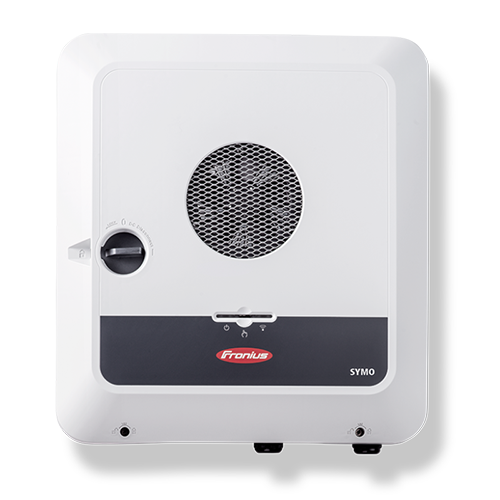
Understanding Solar Inverters
Your solar panels produce direct current, or DC, electricity. Your home runs on alternating current, or AC. The inverter is what makes the two compatible. It converts the DC power from your roof into the AC power your appliances, lights and power points actually use.
Without an inverter, the electricity generated by your panels is unusable in your home. Everything downstream of your panels, from how much power reaches your switchboard to how your system talks to your battery or EV charger, runs through the inverter first.
String Inverters vs Microinverters vs Hybrid Inverters
Not all inverters do the same job, and the right type depends on your roof, your household's energy use and whether you're planning to add a battery.
Why Roof Shape Matters More in Melbourne Than People Expect
A lot of Melbourne homes aren't simple north-facing rectangles. Established suburbs often have roofs broken up by dormers, chimneys, skylights or additions built over time, and plenty of blocks have overshadowing from neighbouring two-storey homes or established trees.
If your roof has one clean, unshaded face, a string inverter usually does the job well and keeps costs down. If your roof has multiple faces, partial shading at different times of day, or you want to maximise a smaller roof space, microinverters or power optimisers are worth the extra spend because they stop one shaded panel dragging down the rest of the array.
Single Phase vs Three Phase
As with EV chargers, your home's electrical supply affects what inverter setup makes sense.
Inverter Sizing and DC to AC Ratio
Inverters are sized in kW, and it's common (and normal) for the total capacity of your solar panels to be larger than the inverter's rated output. This is called the DC to AC ratio, or oversizing.
Oversizing makes sense because your panels rarely produce their maximum rated output. Morning, late afternoon, overcast days and winter all mean lower output than the peak rating on the box. A slightly larger panel array feeding a smaller inverter means you make better use of the inverter's capacity across more of the day, rather than paying for headroom that only gets used a few hours a year.
Export Limits and Feed-in Tariffs
Victorian distributors including AusNet Services, United Energy and CitiPower set limits on how much power a home can export back to the grid. Your inverter needs to be configured to respect these limits, or your system may be restricted from exporting excess power at all.
This matters because it affects how much of your solar generation you can actually get paid for through the feed-in tariff, versus how much needs to be used in the home or stored in a battery as it's generated. A good installer checks your distributor's export limit before finalising your inverter and system size, not after.
Inverter Features to Look For
Summary
The right inverter for your home comes down to your roof's shape and shading, your electrical supply, and whether a battery or EV charger is part of your plans now or later. A straightforward, unshaded roof with single phase power rarely needs anything complicated. A more broken-up roof, three phase supply, or plans to add a battery down the track change the calculation.
As with any part of your solar system, sizing and configuring the inverter correctly the first time avoids expensive changes later. Essential Solar's team in Tullamarine has been helping Victorian homes and businesses navigate these decisions since 2012.
Start your journey towards a greener future today
Our expert team excels in renewables and energy-saving solutions. We offer comprehensive advice and information to help you confidently start your journey into renewable energy.
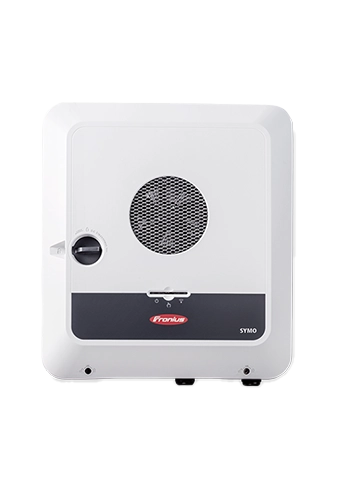
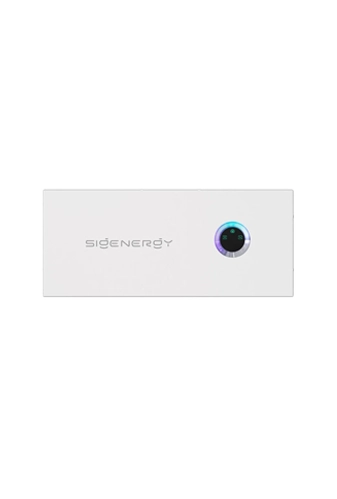
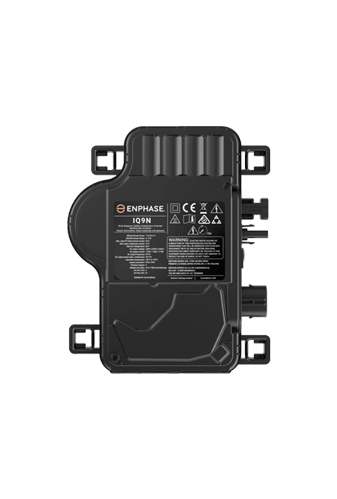
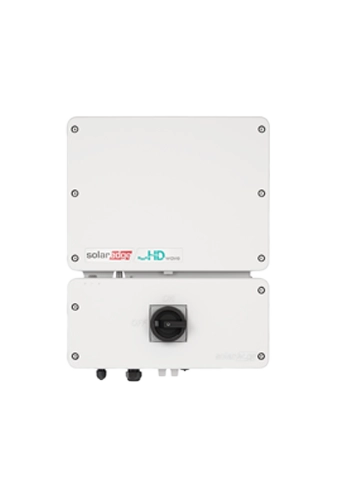
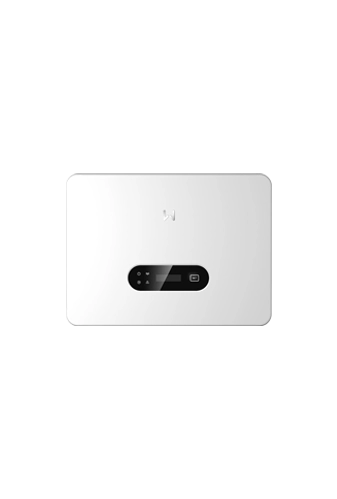
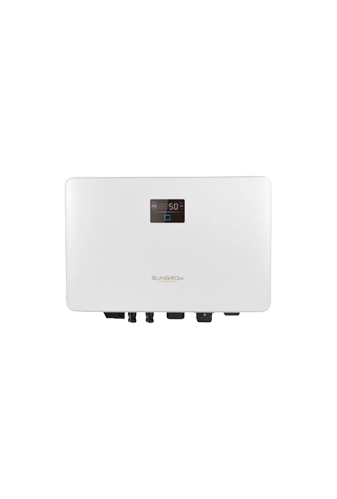
The Solar Inverters we are currently installing
Our selection of solar inverters represents the best of what's available for Australian conditions: reliable, efficient, and built to handle everything from Melbourne heatwaves to overshadowed rooftops. Whether you need a straightforward string inverter, panel-level microinverters, or a hybrid unit ready for battery storage, we'll match you with the right inverter for your home and your system.





Start your journey towards a greener future today
Our expert team excels in renewables and energy-saving solutions. We offer comprehensive advice and information to help you confidently start your journey into renewable energy.