
EV Chargers: Your Comprehensive Guide
As electric vehicles become an increasingly common sight on Victorian roads, home EV charging is becoming a natural next step for Melbourne households. At the heart of this shift is the home EV charger, a dedicated unit that lets you charge your vehicle overnight or directly from your solar panels during the day.
This guide will introduce you to the essential knowledge you need when choosing an EV charger, including how they work, the types available, and the benefits of combining EV charging with solar.
Understanding Home EV Chargers
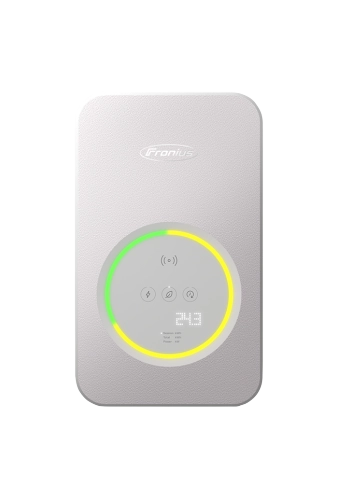
Home EV chargers (sometimes called Electric Vehicle Supply Equipment, or EVSE) are dedicated charging units installed at your home to charge your electric vehicle faster and more safely than a standard power point. Rather than relying on a 10-amp wall outlet, a dedicated home charger connects to your home's electrical system and delivers a consistent, controlled charge that's better for your vehicle's battery and far quicker for day-to-day use.
At the core of a home EV charging system is a simple but important relationship between your electrical supply, the charger unit, and your vehicle. The charger draws power from your home (ideally from your solar panels) and delivers it to your car's onboard charging system at a rate suited to the vehicle and the charger's capacity.
For Melbourne households with solar panels, the opportunity is significant. Rather than paying peak grid rates to charge your EV, you can use the excess solar energy generated during the day to charge your vehicle, turning sunshine into kilometres, effectively for free.
Level 2 Charging vs Standard Power Points
One of the most common misunderstandings about home EV charging is that plugging into a standard 10-amp power point is a practical long-term solution. While it technically works, it is not designed for the sustained loads that EV charging requires.
A good EV charger installer will assess your home's electrical capacity, advise on the right charger for your vehicle and lifestyle, and ensure the installation meets all Australian standards.
What Does Single Phase vs Three Phase Mean?
When choosing a home EV charger in Victoria, one of the most important considerations is whether your home has a single-phase or three-phase power supply, and how this affects the charging speed you can achieve.
Solar Integration: Charging Your EV with Sunshine
One of the most compelling reasons for Melbourne households to invest in a home EV charger is the ability to charge directly from solar. When your solar panels are generating more electricity than your home needs (typically in the middle of the day), that excess energy can be directed straight to your vehicle rather than being exported to the grid at a low feed-in tariff.
Many modern EV chargers support solar-optimised or "eco" charging modes that communicate with your solar inverter in real time, automatically adjusting the charge rate to match your solar surplus. The result is a system that intelligently charges your car using free solar energy rather than grid power.
What to consider:
Solar system size plays a key role. A larger solar array generates more surplus energy, giving you more opportunity to charge your EV from the sun. Many Victorian homes upgrading to EV charging find it worthwhile to review their solar system size at the same time.
Charger compatibility with your inverter brand matters. Some chargers integrate natively with specific inverter ecosystems (such as SolarEdge, Fronius, or Sungrow), enabling seamless solar-first charging without additional hardware.
Timing is also a factor. If you drive during the day and return home in the afternoon, a smart charger can begin charging immediately on your return while solar generation is still available. If you drive in the mornings, overnight charging from the grid, ideally on an off-peak tariff, may be the better approach.
The goal is a setup that's optimised around your routine, your vehicle, and your solar generation. That's exactly what a good installer will help you design.
Understanding Charging Speed: kW and kWh
Choosing the right home EV charger means understanding the difference between power and energy, two terms that often get used interchangeably but mean very different things.
EV Charger Features to Look For
Not all home EV chargers are created equal. Beyond the core function of delivering power to your vehicle, modern chargers offer a range of features that can significantly improve the experience and the economics of home charging.
Summary
This guide has walked you through the key decisions involved in choosing a home EV charger, from understanding charging levels and power supply requirements, to integrating your charger with solar and selecting the right smart features for your lifestyle.
The right home charging setup depends on your vehicle, your home's electrical supply, your daily driving patterns, and whether you have, or are planning, a solar system. For Melbourne households already generating solar power, adding an EV charger is one of the most impactful ways to extend the value of that investment and drive on sunshine.
As with solar batteries, the key to getting this right is choosing an experienced installer who can assess your whole energy picture and design a solution that works for you from day one. Essential Solar's team in Tullamarine has been helping Victorian homes and businesses navigate clean energy decisions since 2012, and EV charging is the natural next chapter in that journey.
Start your journey towards a greener future today
Our expert team excels in renewables and energy-saving solutions. We offer comprehensive advice and information to help you confidently start your journey into renewable energy.
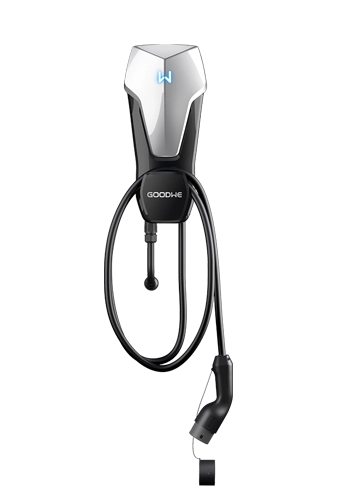
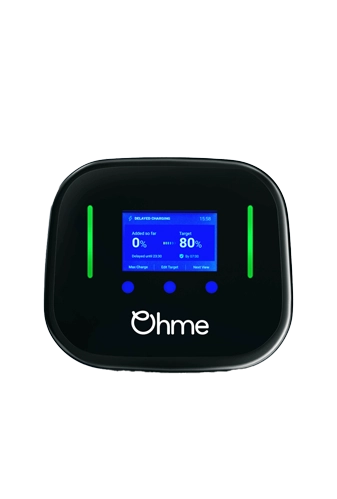
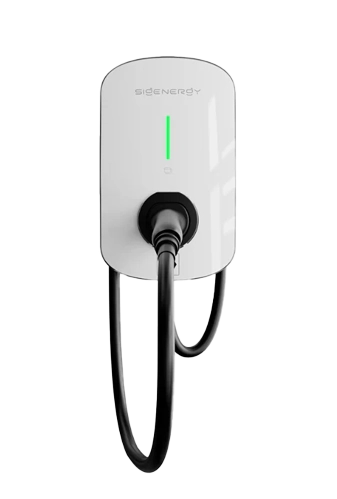
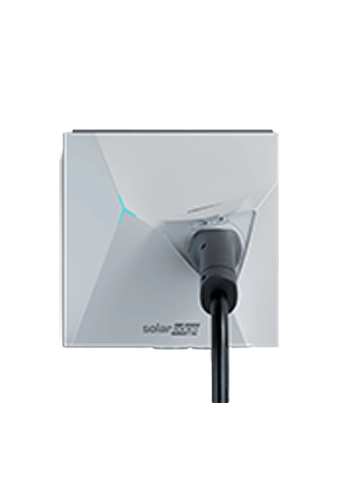
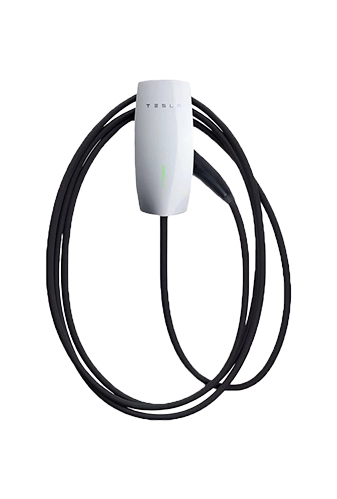
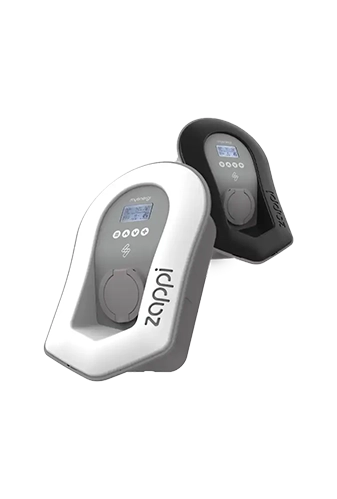
The EV Chargers we are currently installing
Our selection of home EV chargers represents the best of what's available for Australian conditions: reliable, smart, and designed to work seamlessly with your solar system. Whether you drive a Tesla, a BYD, a Kia EV, or any other electric vehicle, we'll match you with the right charger for your home and your car.







Start your journey towards a greener future today
Our expert team excels in renewables and energy-saving solutions. We offer comprehensive advice and information to help you confidently start your journey into renewable energy.